CloudEye 365
- 3.4
- Rating
- 100.00K
- Installs
- Free
- Price

 Analysis by App-foxy
I approached CloudEye 365 as a practical Android utility rather than an app that tries to do too much. Its store category places it among library and demonstration tools, and that is a useful way to set expectations: the experience is centered on accessing and viewing information through a simple mobile interface, not on turning the phone into a full desktop workstation. After spending time with it, my main impression is that its value depends heavily on how reliable the connection is at the moment I need it.
The app is developed by jeemak, costs nothing to download, and is rated for Everyone. It has passed the early experimental stage, with a release date of March 13, 2023, and the current version is 4.6.1.5. It can run on devices using Android 6.0 or later, which makes it accessible to people using older phones as well as newer models. That broad compatibility is helpful, although the actual comfort of using it still depends on the phone’s screen, network quality, and the amount of information being displayed.
How CloudEye 365 feels when the connection is doing the work
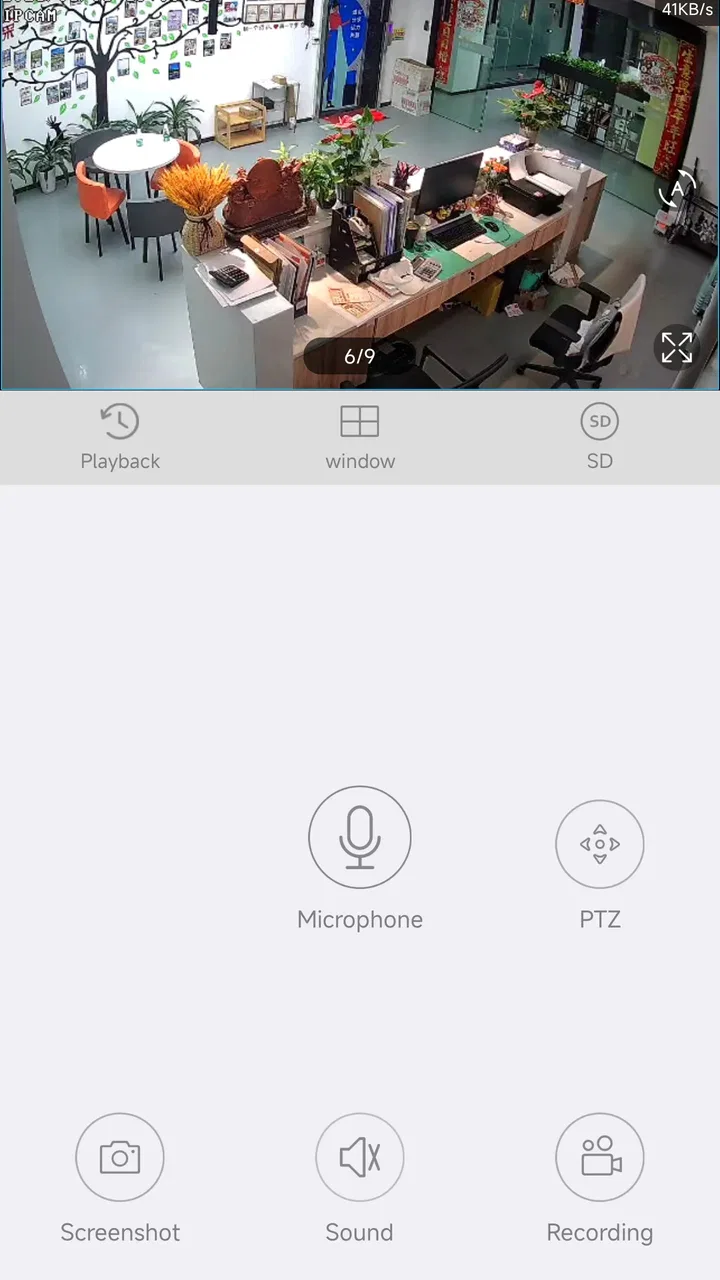
The most important thing to understand is that CloudEye 365 feels less like a self-contained tool and more like a window into information that has to travel to the device. When the network responds quickly, the basic appeal is clear: open the app, wait for the relevant content to appear, and use the phone as a convenient viewing point. That makes it particularly suitable for short checks rather than long sessions in which I want to edit, organize, or deeply analyze material.
You May Also Like

 Blood Strike: 2.5 Anniversary
Blood Strike’s Loadouts Turn Every Drop Into a Tactical Gamble
A close look at Blood Strike’s custom loadouts: how fast access to signature weapons reshapes its battle royale rhythm, rewards preparation, and narrows the gap between fights.

 Pandora - Music & Podcasts
Pandora’s Music Is Easy to Start, but Harder to Recover
Pandora’s strength is its low-effort path from a seed to a station. Its weak spot is how much confidence it asks you to place in connection, setup, and quiet recovery.

 8 Ball Pool
 Is Built on Rivalries, Rematches, and Routine
A close look at the rivalries, rematches, shared routines, and unanswered safety questions that turn a quick pool match into a persistent mobile community.

 Samsung Music
’s Quiet Strength Is Playing What You Already Own
Its reach comes less from spectacle than from dependable access to a personal library. That simplicity is both the app’s strongest retention engine and its ceiling.

 AccuWeather: Weather Radar
AccuWeather Review: A Quick, Clear Forecast for Everyday Decisions
For everyday plans, the best forecast is the one you can understand quickly. AccuWeather makes rain timing, radar, and local conditions easy to act on, with a few trade-offs.

 Hill Climb Racing
Why Hill Climb Racing Still Turns Crashes Into One More Run
A tiny car, a bumpy hill and one more upgrade: Hill Climb Racing keeps resurfacing because its simple chaos makes every near-miss feel personal.
More From Our News Desk
View All News


In a strong connection area, the process feels straightforward. I can use the app while moving between rooms, checking something from another part of the house, or taking a quick look while away from a larger screen. The simplicity is one of its better qualities. There is not much mental overhead in learning a complicated system, and the store summary’s emphasis on easy handling matches my overall impression of the interface.
That simplicity also means the app’s usefulness rises and falls with connectivity. A delayed response is not just a small inconvenience; it changes the whole rhythm of the session. Instead of looking and moving on, I find myself waiting, checking whether the request has completed, and deciding whether to try again. CloudEye 365 is therefore at its best when I already know the network is dependable and I only need a quick, focused interaction.
A realistic everyday example would be checking a remote view from the sofa while another person is using the main computer, or taking a quick look from a phone while handling a routine task elsewhere. In that situation, the app can save a trip to a larger device. I would not choose it for a situation where every second matters and a delayed refresh could cause confusion, because the phone experience is still tied to the quality of the connection.
Short checks are a better fit than extended sessions
I found the app easier to appreciate when I treated it as a glanceable companion. Launch it, inspect what I need, and close it. That workflow avoids many of the frustrations that appear when I leave it open for too long or expect it to behave like a complete management platform. The smaller screen naturally limits how much information I can comfortably absorb at once, so the app works best when I have a clear question in mind before opening it.
This is also where the “easy-handling” idea becomes meaningful rather than just a slogan. A simple interface helps when I am distracted or using the app with one hand. I do not have to spend much time remembering where basic actions are located. The trade-off is that users looking for extensive customization, detailed history, or a more powerful control environment may find the experience too narrow.
For someone who wants a quick mobile view, that narrow focus can be a strength. For someone expecting a complete replacement for a dedicated desktop or web solution, it is more likely to feel limiting. I would decide based on the task: occasional checking favors CloudEye 365, while intensive review and administration favor a larger, more feature-rich alternative.
Using it away from home
Mobile access is the reason to install an app like this, but mobile access also introduces variables that are easy to overlook. A home Wi-Fi connection may feel stable, while a cellular connection can behave differently in a crowded area, inside a building, or during travel. CloudEye 365 does not remove those network conditions; it makes them part of the experience.
When I use it outside a familiar network, I would open it before I actually need the information, rather than waiting until the last possible moment. That small change in routine gives the app time to respond and leaves room for a second attempt if the first one is slow. It is a more reliable habit than assuming a remote view will appear instantly simply because the phone shows a signal.
The phone itself matters too. On a compact display, small details can require more attention, and rotating the device or zooming may become part of the process. I would use a larger phone or tablet when the information needs careful inspection. CloudEye 365 is convenient because it travels with me, but convenience is not the same as visual comfort.
Battery and background behavior are also practical considerations for any connected viewer. I would avoid leaving the app running unnecessarily, especially when I am not actively checking anything. Closing it after a quick look keeps the workflow tidy and avoids turning a brief task into a long, passive session. This is less about a special feature and more about using the app in a way that matches its purpose.
What happens when a request fails
Connectivity problems are where I judge an app most honestly. A smooth first load is pleasant, but a useful mobile tool should also be understandable when something goes wrong. With CloudEye 365, I would treat a blank, delayed, or incomplete view as a signal to check the basics before assuming the app itself is broken: confirm the connection, wait briefly, and retry once rather than repeatedly tapping.
That approach matters because repeated taps can make a slow connection feel even more confusing. If the app is waiting for a response, several attempts may not improve anything. I prefer a calm recovery routine: return to the previous screen if possible, reopen the relevant view, and give the network a moment to catch up. The app’s simple design makes this kind of recovery less intimidating, but it does not eliminate the need for patience.
I would also keep the phone’s operating system and the app version reasonably current when possible. CloudEye 365 supports Android 6.0 and later, and the current release is 4.6.1.5. That broad support is useful for older devices, but older phones may still feel slower when loading or rendering information. Updating is not a guarantee of faster performance, yet it is a sensible first step when behavior becomes inconsistent.
The main limitation is that a lightweight interface cannot explain every network condition in detail. If I need a clear technical diagnosis, I may have to investigate outside the app. That is acceptable for a basic viewing tool, but it is worth knowing before relying on it in a high-pressure situation. The app is easier to use than a complex platform, although it may provide less guidance when the connection is the real problem.
A practical routine for unreliable networks
My preferred recovery workflow is simple. I first check whether other apps can load normally. If they cannot, the issue is probably broader than CloudEye 365. If the rest of the phone is connected, I retry the app once, then close and reopen it if the screen remains stuck. I avoid making important decisions from an old view, particularly when I know the connection has been unstable.
Another useful habit is to distinguish between a slow result and no result. A slow response may eventually provide what I need, while a failed attempt may require a fresh start. Waiting indefinitely wastes time, but abandoning a request too quickly can lead to unnecessary retries. The right balance depends on the situation, and the app is most comfortable when I can afford a few seconds of uncertainty.
I would also tell another user to test the app from the exact place where they expect to use it. Testing only beside the router can create unrealistic expectations for a phone intended to work from a hallway, garage, office, or outdoor area. CloudEye 365 is a mobile tool, so its real usefulness should be judged in the mobile environment, not only under ideal indoor conditions.
Keeping mobile data use under control
Because the app relies on connected viewing, data-conscious use is sensible. I would avoid opening it repeatedly just to check whether anything has changed, especially when using cellular data. A focused session is more practical: decide what needs checking, open the app once, inspect the result, and leave. That habit reduces unnecessary loading and makes the app feel more responsive simply because I am asking it to do less.
Wi-Fi is the obvious choice for regular use, but I would not assume every Wi-Fi network is equally suitable. Public networks can be congested, and a weak signal may be less dependable than a stable cellular connection. The best option is the one that responds consistently in the place where I am using the app. Switching networks can be a useful troubleshooting step, but I would do it deliberately rather than changing settings at random.
On a limited data plan, I would pay attention to how often I refresh and whether I am keeping the app open without a reason. The app may be free to install, but “free” does not mean that connectivity has no practical cost. Data consumption, battery use, and waiting time are all part of the real ownership experience, even when there is no purchase price.
This is one of the less obvious trade-offs of CloudEye 365. Its low barrier to entry makes it easy to try, yet the ongoing convenience depends on resources outside the app: a usable network, a phone with enough battery, and a screen that makes the information comfortable to inspect. Users who already have those conditions will notice the simplicity first. Users without them may notice the friction first.
Who should install it?
I think CloudEye 365 is best for people who want a straightforward mobile access point and do not need a large collection of advanced controls. It suits a user who values quick checks, prefers a less complicated interface, and is comfortable working within the limits of a phone screen. The Everyone age rating also makes it broadly approachable for households, although the practical suitability still depends on what the user expects to view and how often.
The app’s audience is not limited to technical users. Someone who dislikes complicated dashboards may appreciate the easier learning curve. I would recommend starting with a single, repeatable task rather than exploring every possibility at once. Once that routine feels reliable, the app becomes easier to judge on its actual usefulness instead of on first impressions.
I would be more cautious about recommending it to someone who needs guaranteed access in weak-connectivity locations, wants extensive reporting, or expects a desktop-style control center. In those cases, a dedicated platform with stronger diagnostics and broader management features may be a better fit. CloudEye 365 is not a universal replacement for every alternative in the same general space, and pretending otherwise would set the wrong expectation.
How it compares with familiar alternatives
Compared with a browser-based service, a dedicated app can feel more direct because I do not have to start from a blank browser tab or remember a web address. That convenience is especially noticeable for quick checks. On the other hand, a browser may be more comfortable on a computer, easier to use across different devices, or better suited to users who want a larger workspace.
Compared with a full desktop client, CloudEye 365 is naturally more portable but less comfortable for detailed inspection. A desktop environment gives me more room, more precise interaction, and often a clearer view of multiple pieces of information. The phone app wins when I am away from the desk and only need a concise look. The desktop wins when I need to study, compare, or manage information for a longer period.
Compared with a more advanced mobile alternative, CloudEye 365’s simplicity may be its most convincing advantage. A feature-heavy app can offer more controls, but it can also take longer to configure and understand. I would choose CloudEye 365 when the priority is uncomplicated access. I would choose the more advanced option when customization, diagnostics, or deeper organization matters more than a clean learning curve.
My final view on connected convenience
CloudEye 365 has a clear place as a free, easy-to-handle Android app for mobile viewing, particularly when I have a dependable connection and a short task in mind. Its developer, jeemak, has kept the experience approachable, and the broad Android compatibility makes it possible to use on older hardware. With over fifty thousand installs and an average rating of three and a half, it has attracted a meaningful audience, although those figures should be read as context rather than a guarantee that it will suit every setup.
My recommendation comes with one condition: treat connectivity as part of the product, not as a background detail. Test it where you actually plan to use it, avoid unnecessary refreshes, and keep a recovery routine ready for slow or failed requests. Those habits make the experience noticeably less frustrating and help reveal whether the app fits your daily needs.
CloudEye 365 is worth trying if you want quick mobile access without paying for the app itself. I would not make it my first choice for demanding, connection-sensitive work or detailed long sessions, but I can see its value as a simple companion for occasional checks. If your expectations match that role, its straightforward design is useful. If you need deeper control or dependable performance in difficult network conditions, a browser or full-featured alternative will probably serve you better.
FAQs for CloudEye 365
01What is CloudEye 365 and what can it do for me?
CloudEye 365 is a comprehensive cloud storage application designed to securely store, organize, and share your files across multiple devices. It offers real-time syncing, robust security features, and seamless integration with other productivity tools. Users can access their data anywhere, making it ideal for both personal and professional use.
02How secure is my data with CloudEye 365?
CloudEye 365 prioritizes user security by employing advanced encryption protocols both in transit and at rest. It also offers features like two-factor authentication and regular security audits to ensure your data remains protected from unauthorized access or breaches.
03Can I use CloudEye 365 offline?
Yes, CloudEye 365 allows users to access files offline through its offline mode feature. You can select specific files to be available when you don’t have internet access. Any changes made offline will automatically sync once you're back online, ensuring continuity and convenience.
04What are the storage options available with CloudEye 365?
CloudEye 365 provides a range of flexible storage plans to suit different needs, from free basic plans with limited storage to premium subscriptions offering extensive storage capacities. Users can choose plans based on their personal or business requirements, ensuring they pay only for what they need.
05Is CloudEye 365 compatible with all devices?
CloudEye 365 is designed to be highly compatible, supporting both Android and iOS platforms. It also offers desktop applications for Windows and macOS, ensuring you can access your files seamlessly across all your devices. Regular updates ensure ongoing compatibility with new operating system versions.
Pros
- Intuitive user interface for easy navigation.
- Seamless integration with other cloud services.
- Robust security features to protect data.
- Automatic backup ensures data safety.
- Cross-platform compatibility enhances accessibility.
Cons
- Limited free storage compared to competitors.
- Occasional sync issues with large files.
- Premium features locked behind a paywall.
- Requires stable internet for optimal performance.
- User support could be more responsive.

CloudEye 365
Gallery